10.01.26 By Bridgenext PR & Broadcast Services Team

Known as the “Fall Surge”, September through December is one of the single busiest seasons in broadcast. Brands are all competing for the same airtime to promote back-to-school, seasonal travel, holiday entertaining, gift and wellness guides and more.
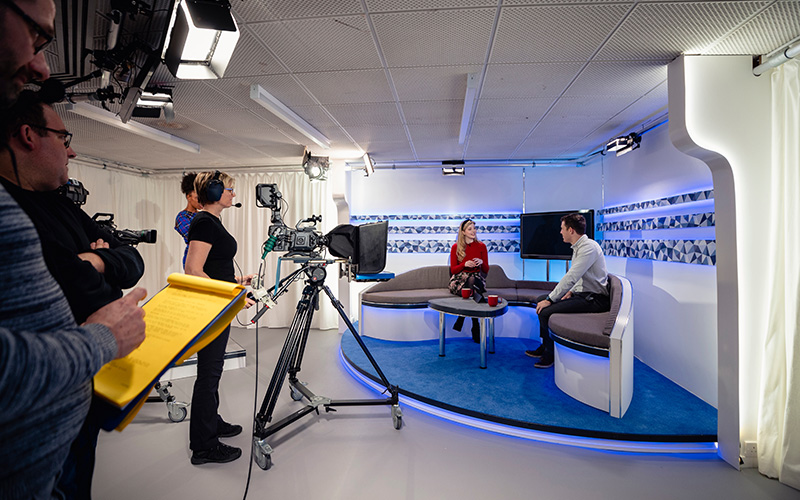
Media campaigns that get coverage aren’t just built on strong ideas. They’re backed by thoughtful planning, creative production and a smart broadcast media strategy. Satellite Media Tours (SMTs) are designed to get you that coverage by connecting your story with the right audiences at the right moment on the right channels.
Here’s what our media pros recommend for navigating the TV premiere crush, political news and events and competitive ad space during a heavily crowded calendar.
We’ve launched successful media tours in as few as 72 hours – however, giving your media tour a little extra lead time creates more flexibility, allows for stronger creative and easier logistical coordination. Most importantly, launching outreach early increases programing availability for your segment, giving you more opportunities to secure strong bookings.
This four-phase approach offers an ideal framework for planning and maximizing opportunities.
With the right planning and coordination, each phase builds toward a smoother tour and stronger results.
A media tour can deliver value well beyond the final interview. While in-program segments build credibility, content distribution amplifies the message and extends its reach to additional target audiences. Combining the two maximizes visibility and reinforces the call to action.
These media placements provide another opportunity to extend the life and reach of your SMT content – either by casting a wider net to expand national reach or by targeting specific audiences based on factors such as location, demographics and interests.
A successful media tour starts with thoughtful planning. Here are a few key considerations to keep in mind as you build your timeline and shape your story.
Fall is a competitive time for broadcast, making a thoughtful media strategy more important than ever. With the right runway, teams can develop stronger creative, secure the production resources needed, and build an outreach strategy designed to break through the seasonal noise.
As Q4 gets underway, now is the time to look at what’s ahead and make the most of the opportunities still on the calendar. A well-timed media tour can help your brand stay visible, connect with audiences, and carry momentum through the holiday season and into the new year.
So, what are you waiting for? Connect with us and let’s build a media tour strategy that delivers.
SMTs typically take 4–6 weeks. We’ve launched timely media programs in as few as 72 hours.
A satellite media tour (SMT) lets a spokesperson do back-to-back interviews from one location; in-studio tours use a broadcast studio setup; on-site tours film at a real location tied to the brand story. The right format depends on your message and audience goal. Read this blog to learn more: SMT, RMT, VMT, ANR, VNR…What’s a Broadcast Media Tour?
Station calendars fill up fast in fall due to seasonal content demand. Booking 3-5 weeks out significantly improves your chances of securing preferred air dates and segment types.
It extends the life and reach of your broadcast segments by repurposing them into clips for social, streaming, and digital channels, amplifying your message well beyond the original air date.